If you love Montecito, downsizing does not have to mean giving up the life you know. For many longtime homeowners, the real challenge is not whether to stay, but how to keep the parts of Montecito that matter most while letting go of extra upkeep. If you are weighing a move to something smaller, this guide will help you think through the trade-offs, the local housing options, and the timing that can make the transition feel smoother. Let’s dive in.
What downsizing means in Montecito
In Montecito, downsizing is rarely a simple square-footage question. Santa Barbara County describes the community as a semi-rural area of about 13 square miles with mostly single-family homes, low-density development, narrow winding roads, and few sidewalks or traffic lights.
That setting shapes what a smaller lifestyle looks like here. You may be deciding between keeping privacy, garden space, and separation from neighbors, or moving closer to daily conveniences with less land to maintain.
Montecito also offers access to trails, beaches, and shopping convenience, according to the Community Plan. That means a smaller move can still preserve much of what draws people to the area in the first place.
Choose what you want to keep
Before you look at specific homes, it helps to define what “staying in Montecito” really means to you. For some homeowners, it means keeping a quiet setting and mature landscaping. For others, it means easier errands, less maintenance, and a simpler day-to-day routine.
A clear priority list can make the search much easier. Start by asking yourself which features are truly essential:
- Privacy and separation
- Smaller grounds and easier upkeep
- Proximity to shops and services
- Space for guests or family visits
- Garden or outdoor living area
- Single-level living or a more compact layout
When you know what matters most, you can compare options with more confidence. In Montecito, the right-size move is often a trade between acreage and ease.
Smaller home options in Montecito
Montecito is known for large estates, but the housing pattern is more varied than many people expect. The Community Plan and architectural guidelines describe a mix of historic large estates, smaller lot neighborhoods, older cottages, and homes along lower mountain slopes.
That gives you a few realistic paths if you want to stay local while reducing maintenance. In practical terms, many downsizers focus on a smaller estate parcel, an older cottage, or another compact property that keeps the Montecito address without the burden of a very large lot.
Smaller estate parcels
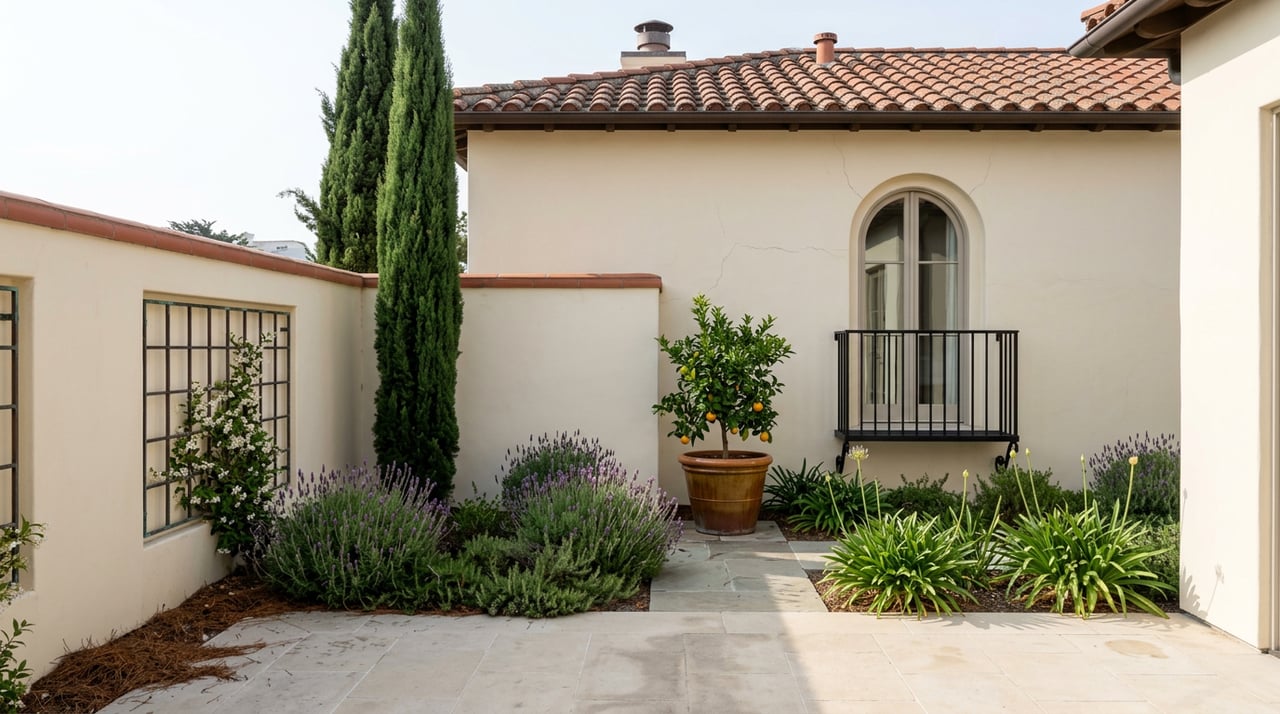
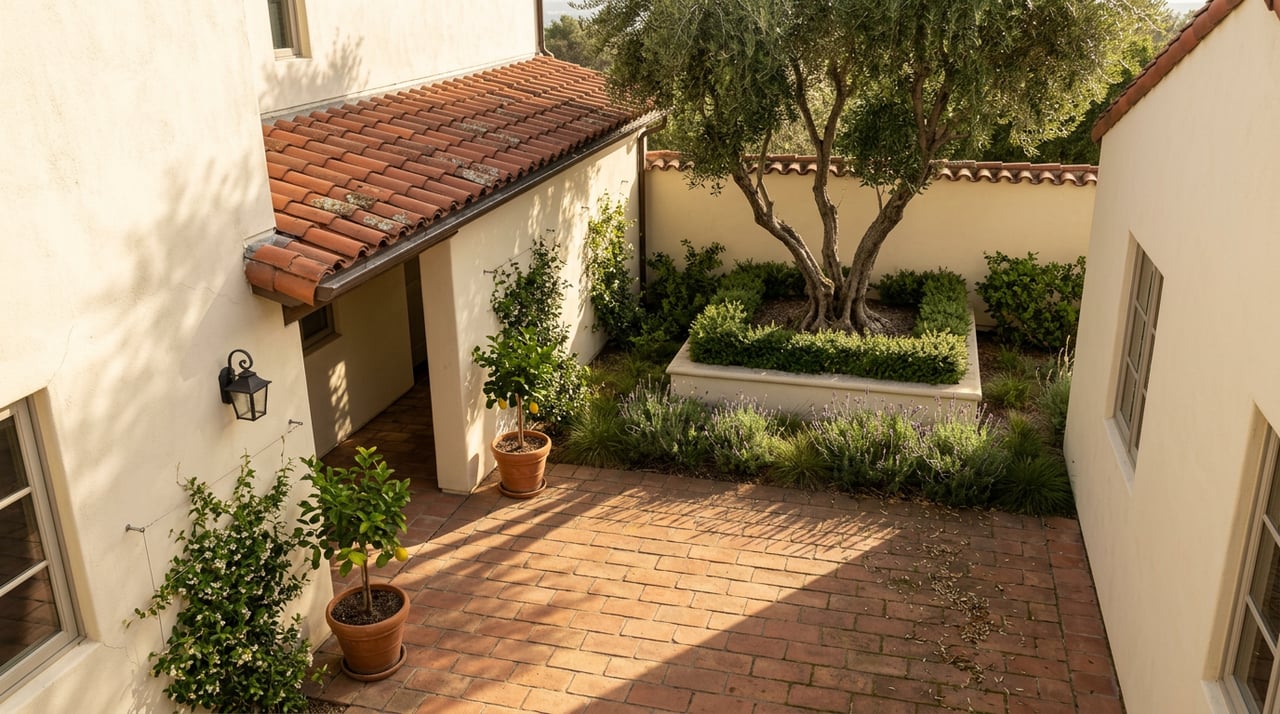
If you still want room to breathe, a smaller estate parcel may offer the best balance. You can often keep a sense of privacy, mature landscaping, and a more traditional Montecito setting while scaling back the amount of land and upkeep.
This option often appeals to homeowners who are not ready for close-in living. You may still have outdoor space and a quieter setting, but with fewer demands than a large legacy property.
Older cottages and small-lot pockets
Older cottages and homes on smaller lots can be a strong fit if your goal is simplicity. These homes may offer less square footage, less landscape maintenance, and a more manageable footprint overall.
The appeal here is efficiency. You stay in the community, but you reduce the daily work that can come with a larger residence.
Village-adjacent properties
If convenience is your top priority, village-adjacent homes deserve close attention. Montecito’s Community Plan identifies the Village as the community’s central core and only commercial center, while Coast Village Road offers restaurants, grocery stores, banks, and other neighborhood services.
In general, homes near these areas can make errands and day-to-day routines easier. The trade-off is that you will often give up some seclusion compared with hillside or larger inland properties.
Understand the privacy and convenience trade-off
One of the biggest decisions in a Montecito downsize is how much privacy you want to keep. Hillside and inland properties often offer more seclusion, views, and an estate-like feeling, but they usually require more driving because of the semi-rural road network.
By contrast, homes closer to village areas may offer easier access to services and a more convenient routine. They can also place you closer to traffic, parking activity, and neighboring homes.
The Montecito Association notes that traffic congestion and parking remain ongoing concerns in the Upper Village, along with efforts tied to pedestrian safety and community-path improvements. That does not make the area undesirable, but it does show why convenience and calm do not always come as a package.
Look closely at site design
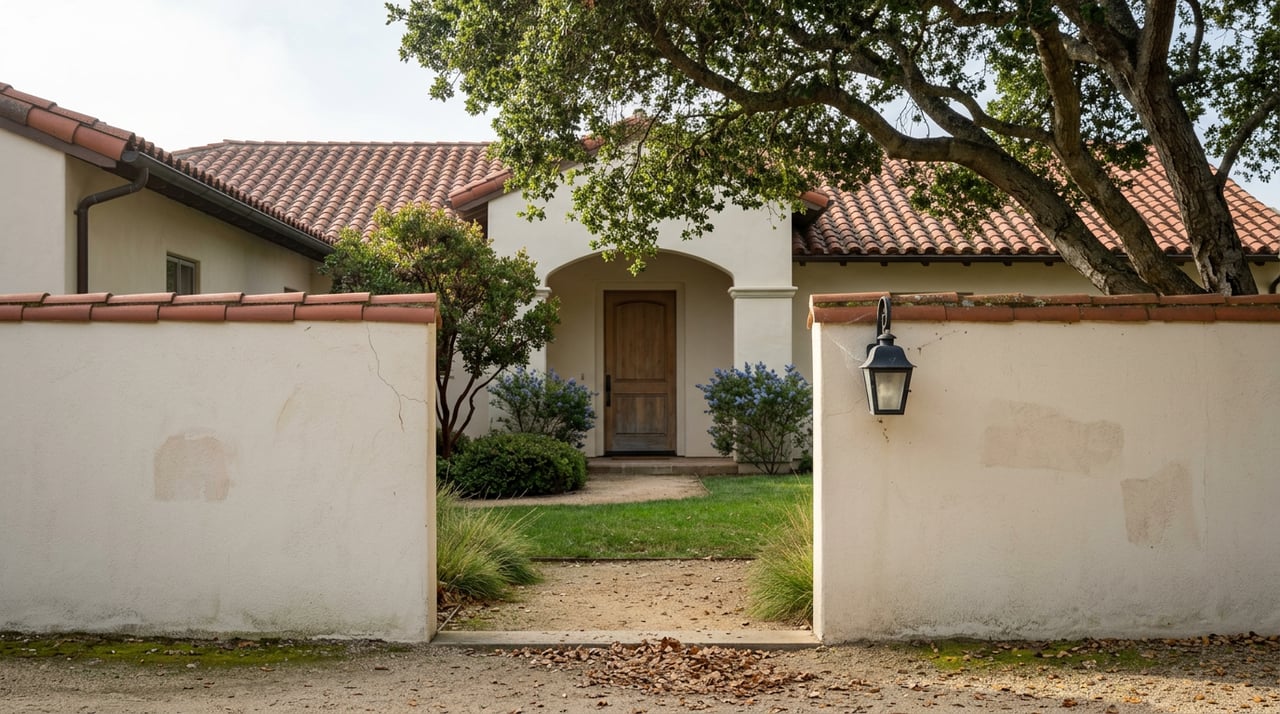
When you move to a smaller property in Montecito, the home itself is only part of the equation. Local architectural guidelines place strong emphasis on neighborhood scale, site design, landscaping, and preservation of open space and natural features.
That matters because compatibility is not judged strictly by house size or lot size. A smaller home may feel like a great fit if its placement, massing, and setting already work well with the surrounding properties.
This is especially important if you are comparing homes that seem similar on paper. Two properties with similar square footage can feel very different depending on landscaping, window placement, fencing, and the way the home sits on the lot.
Views and privacy are not guaranteed
This point is easy to overlook when you are eager to simplify. Montecito’s guidelines note that there is no guaranteed property right to views or privacy.
For downsizers, that means less land can also mean less separation from neighbors. If privacy matters to you, pay close attention to outdoor living areas, plant screening, fences, and sight lines from nearby homes.
Plan the sale and purchase together
In Montecito, downsizing works best when you think of it as one coordinated move rather than two separate transactions. Current market data suggest that timing matters.
Redfin reported a median sale price of $5.7 million in the three months ending May 2026, with an average of 66 days on market. Zillow reported a typical home value of $5.6 million, a median list price of $5.87 million, and 52 homes for sale as of May 31, 2026.
Those numbers point to a market where inventory is limited and prices are high. If you sell first without a plan, you may feel pressure finding the next home. If you buy first without a clear strategy, you may carry more overlap than you want.
Why transition planning matters
A Montecito downsize often involves more than a move. You may also be sorting decades of belongings, deciding what to keep, preparing your current home for sale, and lining up help for packing, staging, or estate liquidation.
That is why many homeowners benefit from a step-by-step plan that coordinates the home search, property preparation, and move logistics at the same time. A well-managed process can reduce stress and help you make thoughtful decisions instead of rushed ones.
If the next home needs work
Some downsizers hope to buy a smaller home and update it over time. That can be a smart path, but in Montecito it is important to understand that design review may affect your timeline.
Santa Barbara County has a Montecito Board of Architectural Review, and local rules emphasize neighborhood compatibility, the semi-rural environment, and view and privacy considerations. If the property is not turnkey, even modest changes may require more planning than you expect.
For that reason, many buyers weigh the value of a move-in-ready home against the appeal of customizing a smaller property. The right answer depends on your energy, your timeline, and how much project management you want after the move.
A practical way to evaluate your options
If you are serious about staying in Montecito, compare homes through the lens of lifestyle, not just price or square footage. A simple framework can help:
Option | What you may keep | What you may give up |
|---|---|---|
Smaller estate parcel | Privacy, outdoor space, traditional setting | More driving, more maintenance than compact homes |
Cottage or small-lot home | Easier upkeep, simpler footprint | Less separation, less land |
Village-adjacent property | Convenience, easier errands, access to services | More activity nearby, less seclusion |
This kind of side-by-side view can bring clarity fast. It shifts the decision from “Should I downsize?” to “Which version of Montecito fits me now?”
Staying local can still feel like home
Downsizing in Montecito does not have to feel like a loss. In many cases, it is a thoughtful adjustment that lets you keep the community, routines, and atmosphere you love while easing the demands of a larger property.
The key is to be honest about your priorities and realistic about the trade-offs. When you choose the right location and plan the sale and purchase carefully, a smaller home can support a simpler lifestyle without leaving Montecito behind.
If you are thinking about a right-size move and want calm, experienced guidance, Deborah Samuel can help you create a personalized downsizing and sale plan that fits your next chapter.
FAQs
What does downsizing in Montecito usually mean?
- In Montecito, downsizing often means trading some acreage, privacy, or garden scale for easier upkeep, a smaller footprint, or better access to daily services.
What types of smaller homes can you find in Montecito?
- Smaller lifestyle options in Montecito can include smaller estate parcels, older cottages, and homes in smaller-lot or village-adjacent areas.
Are village-area homes in Montecito more convenient?
- In general, homes near Montecito’s village areas are closer to restaurants, grocery stores, banks, and other services, though they may offer less seclusion than hillside or inland properties.
Do smaller Montecito properties have privacy trade-offs?
- Yes. Local guidelines note that views and privacy are not guaranteed, so smaller lots may bring closer neighbors and a greater need to evaluate landscaping, fencing, and sight lines.
Should you plan the sale and purchase together when downsizing in Montecito?
- Yes. With high home values, limited inventory, and moderate time on market, coordinating the sale of your current home with the purchase of your next one can help reduce stress and timing risks.
Can you remodel a smaller home after you buy in Montecito?
- Possibly, but project timing may be affected by local review standards, including oversight from the Montecito Board of Architectural Review and requirements tied to neighborhood compatibility, privacy, and site design.