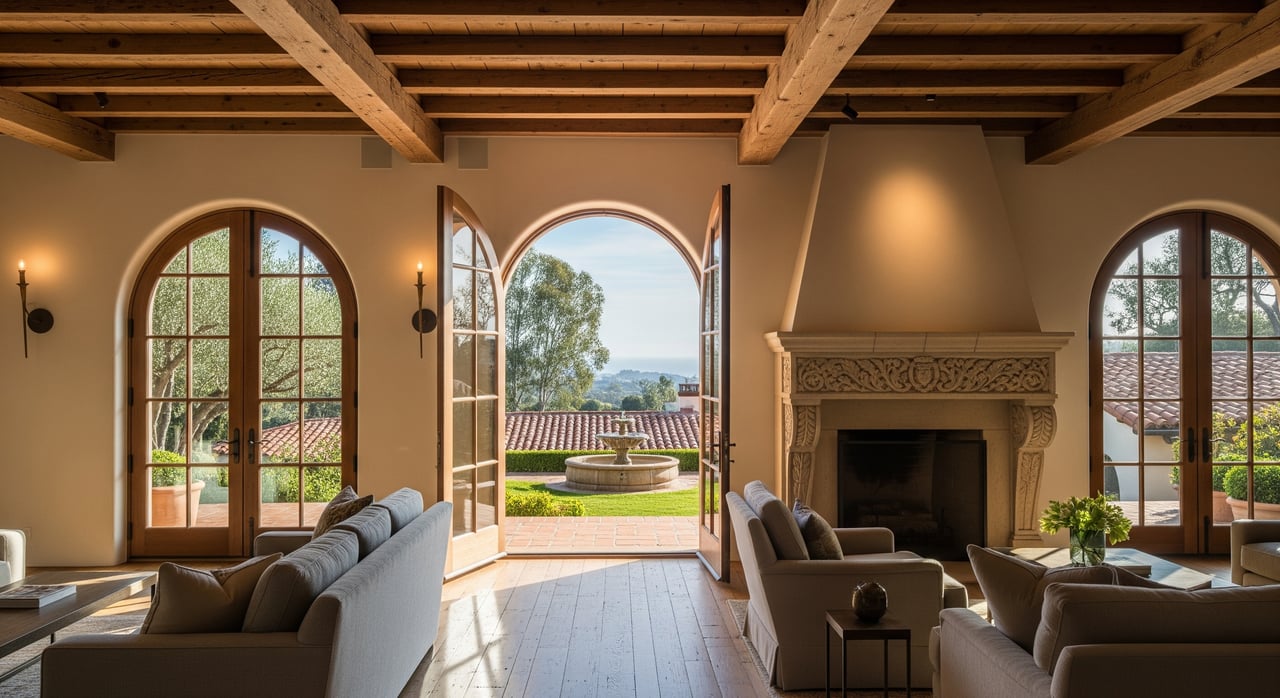
Is your Montecito home rich with history but short on today’s comforts? You are not alone. Many longtime owners and families want to honor an estate’s character while meeting what luxury buyers look for now. In this guide, you will learn which features impress high‑end buyers, which fixes pay off before you list, and how to prepare with less stress. Let’s dive in.
Montecito luxury buyer snapshot
Montecito attracts high‑net‑worth buyers who value privacy, views, and a relaxed coastal lifestyle. Many are purchasing a second home or a legacy property for extended family. They love provenance and mature landscaping, and they expect modern livability, safety, and serviceable systems.
Buyers also watch local risk factors. Past wildfire and debris flow events keep hazard mitigation, drainage, and insurance availability top of mind. At this price point, buyers often prize quality over price, but they still want turnkey habitability or clear, permitted plans for improvements.
Character that sells
Older Montecito estates often shine with original plaster, hand‑troweled stucco, period tile, carved wood, and classic light fixtures. Authentic finishes in good condition can support a premium because they speak to provenance. Preserve these features when possible and document restoration work.
If a feature compromises safety or comfort, address it before listing. Unstable stair treads, failing windows, lead‑based paint concerns, or visibly worn elements signal deferred maintenance. Replace, repair, or professionally restore so buyers see stewardship, not projects.
Livability and flow
Today’s luxury buyers look for easy connections between the kitchen, dining, and outdoor spaces. They prefer a generous primary suite, en‑suite guest rooms, and good separation between public and private areas.
If your floor plan feels tight or choppy, targeted changes can help. Consider removing non‑load‑bearing partitions to open sightlines, reorienting a kitchen for better flow, or adding an en‑suite to a bedroom. In multi‑level homes, an elevator or chair lift can broaden appeal for guests of all ages.
Outdoor living and views
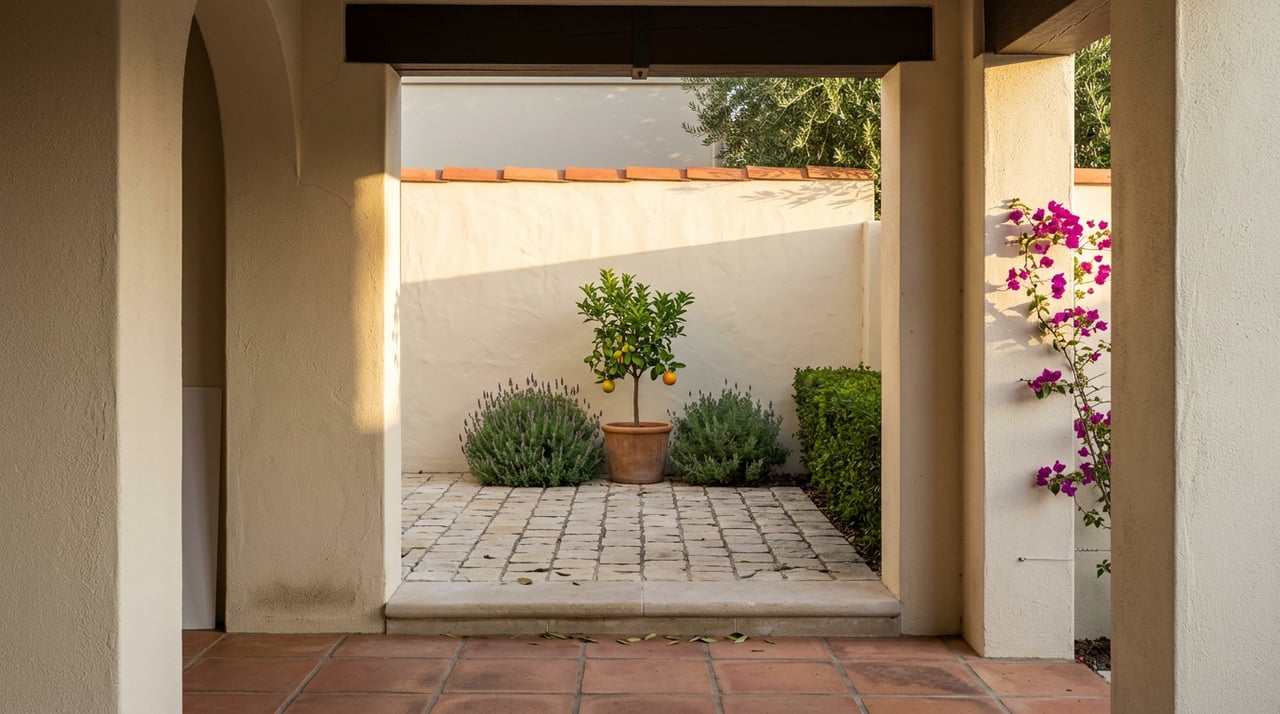
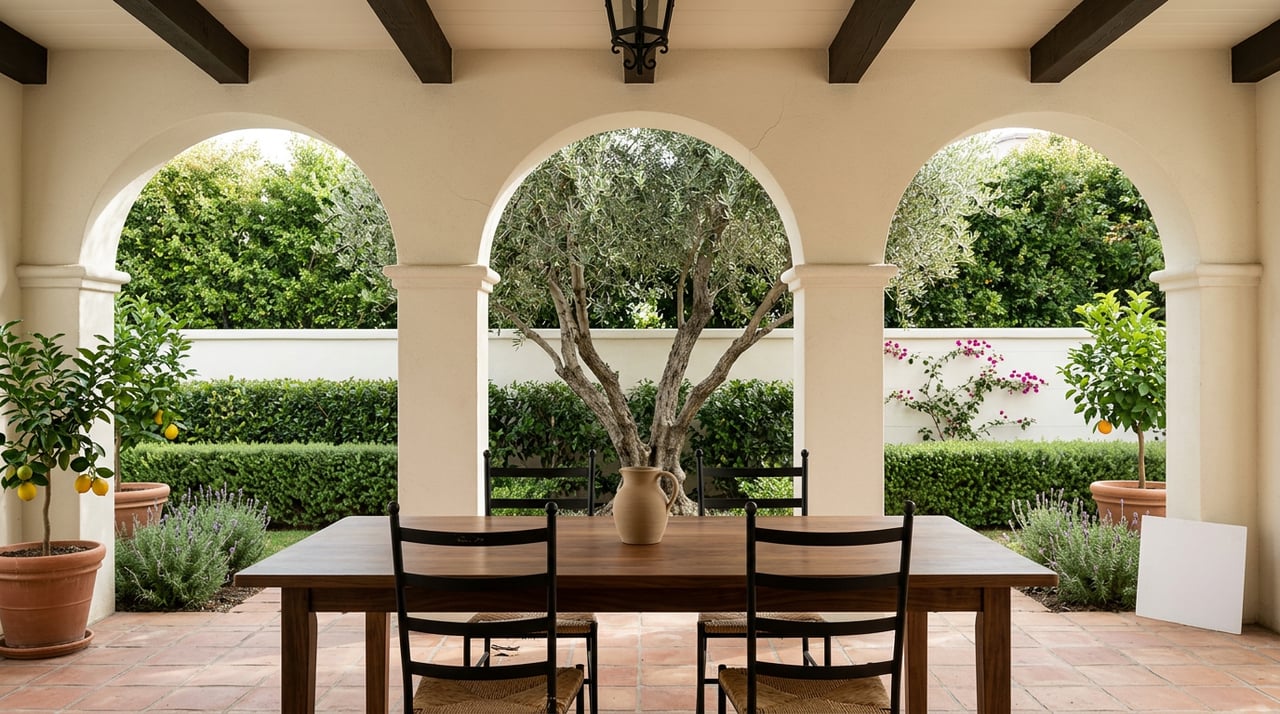
Usable terraces, a well‑kept pool and spa, and gracious gardens are high priorities. Mature, drought‑tolerant landscaping and a comfortable outdoor kitchen or lounge area make the Montecito lifestyle feel turnkey.
Walk the property for issues that can spook buyers, such as drainage concerns, erosion, or unpermitted retaining walls. Service pool equipment, prune to clear key sightlines, and spotlight private, flat areas for entertaining. Document any repairs or permits tied to hardscaping and site work.
Privacy and discreet security
Buyers expect privacy along with tasteful security. Perimeter gates, thoughtful setbacks, and landscape buffering set the tone. Discreet cameras, reliable access control, and well‑designed lighting provide peace of mind without feeling intrusive.
Aim for quiet confidence. Overly imposing security elements can detract from an estate’s character. Professional design keeps both aesthetics and comfort in balance.
Systems, safety, and insurability
Mechanical systems influence both comfort and insurability. Buyers will scrutinize electrical service, plumbing materials, HVAC, roof condition, and foundation or retaining walls. In California, seismic readiness and wildfire hardening matter to insurers and buyers alike.
Address known issues first. Electrical panel upgrades, roof repairs, modern HVAC, and seismic bolting are high‑impact moves. Wildfire mitigation such as defensible space, ember‑resistant vents, and vegetation management also helps. Buyers appreciate clear documentation, service records, and warranties.
Permits and documentation
Clarity on what is permitted is essential. Buyers want to see approvals for the main residence, any guest house or ADU, pools, and major hardscaping. Unpermitted work can reduce offers and complicate lending or insurance.
Gather permit histories, plans, and inspection records early. In coastal or hillside settings, local rules can shape future changes or rebuild options. Having a clean file builds confidence and smooths negotiations.
Pre‑listing priorities that pay
You do not need to redo everything. Focus on strategic improvements that reduce risk, elevate presentation, and make key rooms feel current.
Priority 1: Safety, systems, insurance
- Fix roof leaks and address known electrical, plumbing, or structural hazards.
- Resolve drainage, erosion, and retaining wall issues.
- Complete wildfire mitigation and note any seismic improvements.
- Share inspection summaries and recent upgrades with buyers.
These steps protect your sale certainty and reduce price cuts tied to repair demands.
Priority 2: Curb appeal and outdoor areas
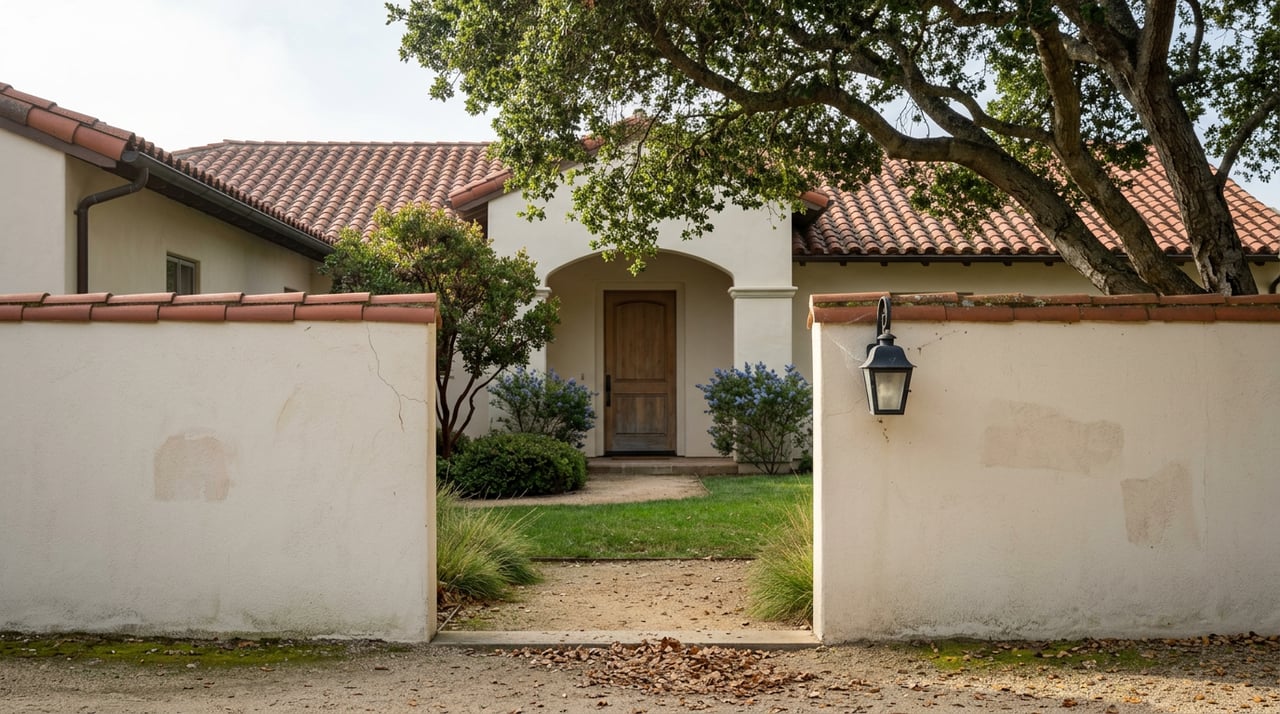
- Deep clean, touch up exterior paint, clear gutters, and refresh the entry.
- Update landscaping with water‑wise plantings and prune to highlight views.
- Service pool and irrigation systems so they run smoothly on day one.
Outdoor spaces carry outsized weight in Montecito and often deliver strong near‑term return.
Priority 3: Kitchen and primary bath refresh
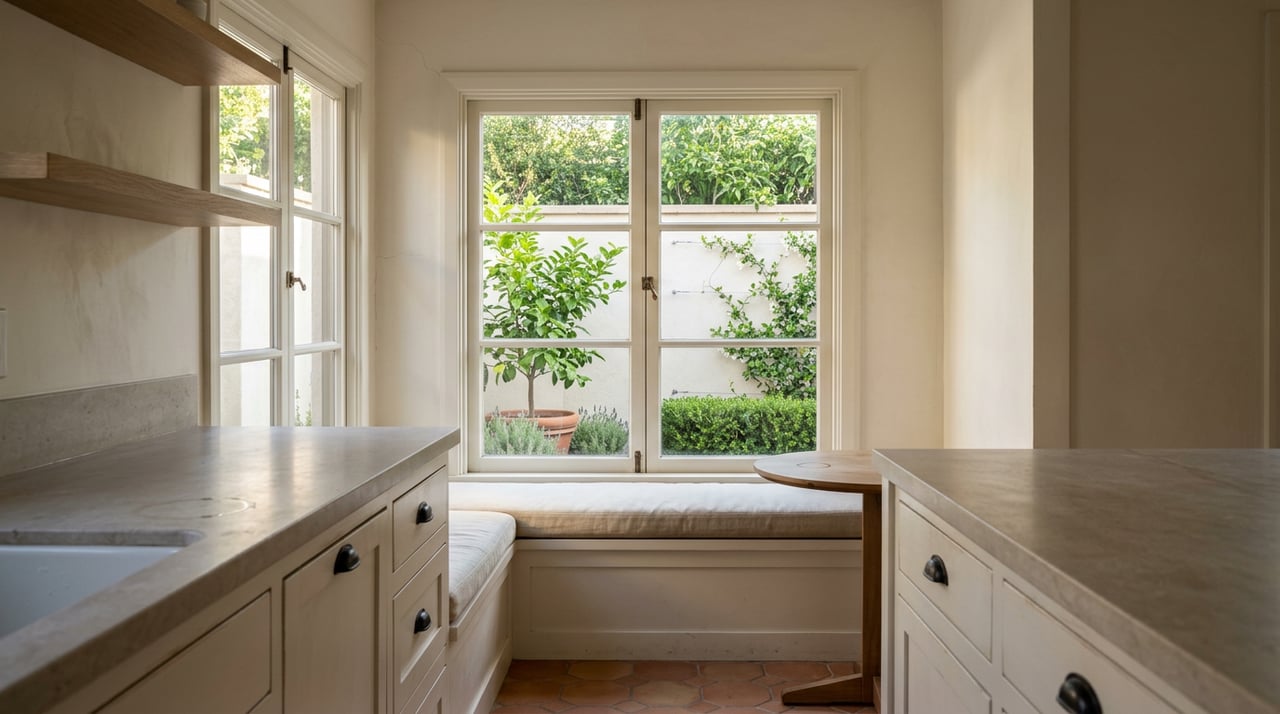
- Favor targeted updates such as counters, backsplash, hardware, lighting, and new appliances.
- Regrout tile, update fixtures, and improve ventilation in the primary bath.
Cosmetic refreshes make a home feel turnkey without the cost and delay of a full gut remodel.
Priority 4: Selective floor plan tweaks
- Improve indoor‑outdoor flow with a wider opening to a terrace.
- Add an en‑suite to a bedroom or relocate laundry for convenience.
- Consider an elevator for multi‑level estates if timelines allow.
These changes broaden appeal across age groups and visiting guests.
Priority 5: Restore authentic details
- Refinish wood floors, repair plaster, and conserve original tile.
- Use local craftspeople who know regional styles so updates feel seamless.
Thoughtful restoration enhances perceived value among provenance‑minded buyers.
Often safe to skip
- Large expansions or new wings unless comparable sales demand it.
- Ultra‑modern remodels that clash with the estate’s character.
- Over‑investment in finishes beyond neighborhood standards.
Timeline and phasing
Start with a comprehensive pre‑listing inspection and a market consultation that reflects current Montecito comps. Build a plan, then phase work to protect your timeline and budget.
- Quick wins, 1 to 4 weeks: declutter, deep clean, paint touch‑ups, landscape refresh, minor fixes, and staging.
- Moderate projects, 4 to 12 weeks: kitchen and bath refreshes, roof repairs, pool service, and system upgrades that do not require structural changes.
- Long projects, 3 months or more: major reconfigurations, new permitted structures, or engineered drainage and retaining work. Allow extra time for coastal or hillside permits.
The right team
High‑value sales benefit from a coordinated team. Consider assembling:
- A luxury listing agent with Montecito experience and a strong buyer network.
- A licensed home inspector plus roof, pool, septic, and structural specialists.
- An architect or restoration architect for plan sets and sensitive updates.
- A landscape architect for privacy, water‑wise planting, and view management.
- A permit expediter or contractor familiar with County of Santa Barbara rules.
- An insurance broker who works with high‑value coastal and hillside properties.
Your seller packet
Buyers respond to clarity. Prepare a packet that includes:
- Inspection summaries, repair invoices, and warranties.
- Permit records for the main residence, guest units, pool, and hardscaping.
- Documentation of wildfire mitigation, seismic work, and drainage improvements.
- A narrative of the home’s provenance and any professional restoration.
Pair these documents with professional photography and aerial imagery that highlight privacy, views, and outdoor living. A clear story plus tangible records builds trust and justifies value.
Questions buyers will ask
You can expect a few consistent themes during showings and due diligence.
- Is it turnkey or will we face immediate projects? Offer inspection highlights and a list of recent upgrades so buyers see manageable next steps.
- Are outbuildings and terraces permitted? Provide records or outline a path to compliance if needed.
- How is wildfire and drainage mitigation handled? Share defensible space work and any engineering reports.
- How efficient and serviceable are the systems? Present service histories and age of major equipment.
- Will the property’s character be preserved? Emphasize restoration efforts and how modern updates respect original design.
A calmer path to market
Selling a beloved estate is both practical and emotional. Your goal is to protect value, reduce surprises, and present a home that honors its history while living comfortably today. With the right plan, you can achieve that balance and move forward with confidence.
If you would like a single, trusted partner to coordinate prep, light remodel guidance, downsizing, and marketing, connect with Deborah Samuel. As a senior‑focused specialist with remodeling expertise and a luxury brokerage platform, Deborah delivers a managed, low‑stress process from assessment to move‑out.
FAQs
What do Montecito luxury buyers value in older homes?
- A blend of authentic character and modern livability, including preserved period finishes, comfortable floor plans, outdoor living, privacy, and updated systems.
Which pre‑listing upgrades have the most impact?
- Safety and systems first, then curb appeal and outdoor spaces, followed by targeted kitchen and primary bath refreshes that make the home feel turnkey.
How important are permits for guest houses and terraces?
- Very important. Clear documentation for all structures and hardscaping reduces risk for buyers and supports smoother lending and insurance conversations.
How do wildfire and drainage issues affect a sale?
- Buyers and insurers pay close attention. Document defensible space, ember‑resistant features, roof and vent upgrades, and any drainage or slope engineering.
Do I need a full remodel to sell well?
- Often no. Selective updates, strong documentation, and thoughtful staging typically deliver better returns and faster timelines than major reconfigurations.